
Fitness & Health Calculators
40 calculatorsTrack your health metrics, plan your fitness journey, and understand your body with evidence-based calculators.
40 calculators available
Body Metrics(8)↑ top
Army Body Fat Calculator
Check your body composition against the current U.S. Army st…
BMI Calculator
Calculate your Body Mass Index (BMI) for women and men with …
Body Fat Calculator
Easily estimate your body fat percentage using the U.S. Navy…
Body Surface Area Calculator
Calculate your body surface area (BSA) using validated Du Bo…
Body Type Calculator
Discover your body type from waist, hip and height measureme…
Healthy Weight Calculator
Calculate your healthy weight range using BMI-based guidelin…
Ideal Weight Calculator
Calculate your ideal body weight using Hamwi, Devine, Robins…
Lean Body Mass Calculator
Estimate lean body mass (LBM) using the Boer, James, and Hum…
Addiction & Substance Use(1)↑ top
Exercise & Fitness(3)↑ top
BMR Calculator
Calculate your Basal Metabolic Rate (BMR) with Mifflin-St Je…
Calories Burned Calculator
Estimate calories burned across 20+ physical activities usin…
Step Counter Calculator
Convert steps to distance and calories burned, and estimate …
Nutrition & Diet(11)↑ top
Caffeine Content Calculator
How much caffeine is in your coffee, tea, or energy drink? A…
Caffeine Half-Life Calculator
See how long caffeine stays in your system. Enter your dose …
Calorie Calculator
Calculate your daily calorie needs for maintenance, weight l…
Carbohydrate Calculator
Estimate your daily carbohydrate needs based on weight, acti…
Daily Sugar Intake Calculator
Track your daily sugar intake and compare it against WHO and…
Fat Intake Calculator
Find your daily fat intake goal from weight and activity lev…
Intermittent Fasting Calculator
Plan your intermittent fasting schedule with 16:8 and other …
Macro Calculator
Calculate your daily macronutrient targets for carbs, protei…
Protein Calculator
Calculate your daily protein needs based on body weight, act…
Sugar in Food Calculator
Check sugar content in 65+ fruits, drinks, snacks, and foods…
TDEE Calculator
Calculate your Total Daily Energy Expenditure (TDEE) from BM…
Pregnancy & Fertility(6)↑ top
Conception Calculator
Estimate your ovulation date and fertile window from your la…
Due Date Calculator
Estimate your pregnancy due date using Naegele's rule from y…
Ovulation Calculator
Estimate your ovulation date and fertile window to maximize …
Pregnancy Calculator
Track your pregnancy week by week from your due date. See tr…
Pregnancy Conception Calculator
Estimate your most likely conception date from your due date…
Pregnancy Weight Gain Calculator
Calculate recommended pregnancy weight gain based on your pr…
Clinical Health(4)↑ top
Corrected Calcium Calculator
Calculate albumin-corrected calcium from total calcium and s…
FIB-4 Calculator
Calculate the FIB-4 index from age, AST, ALT and platelets, …
Morphine Milligram Equivalents Calculator
Calculate total daily morphine milligram equivalents (MME) f…
QTc Calculator
Calculate the corrected QT interval (QTc) with Bazett, Fride…
Renal & Urology(2)↑ top
Pediatrics & Growth(1)↑ top
Cardiovascular Health(2)↑ top
Women's Health(1)↑ top
Sleep & Recovery(1)↑ top
Guides for this category
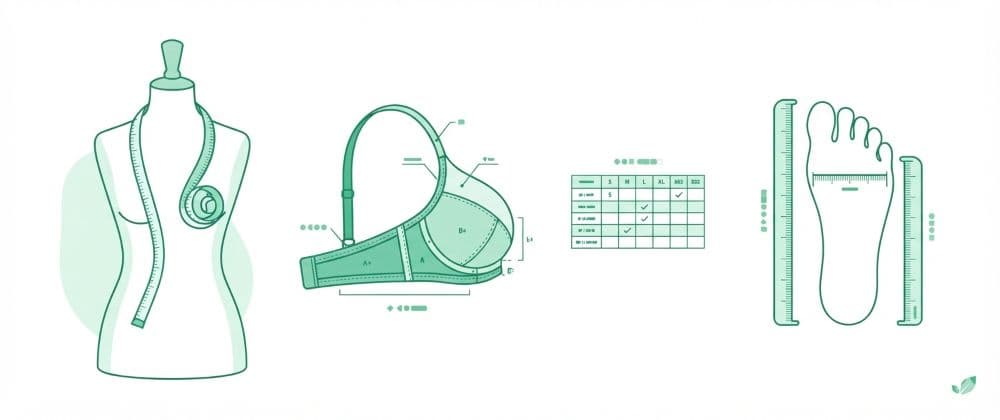
Bra & Clothing Sizing: The Measurements Behind the Label
How bra, clothing, and shoe sizes really work: the measurements behind the labels, the history of size standards, and why the number on the tag often lies.
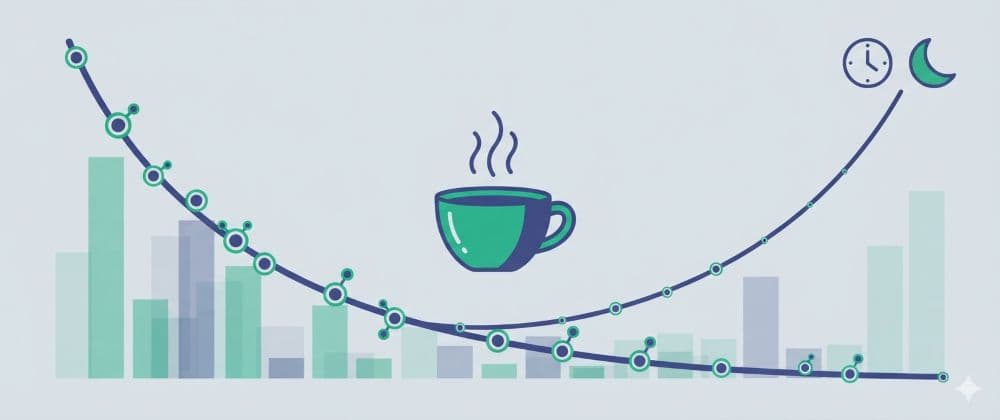
Caffeine Guide: How Much, How Long, and When to Stop
The complete caffeine guide: how much is in coffee and tea, safe limits for adults and pregnancy, half-life timing, and when to stop drinking for better sleep
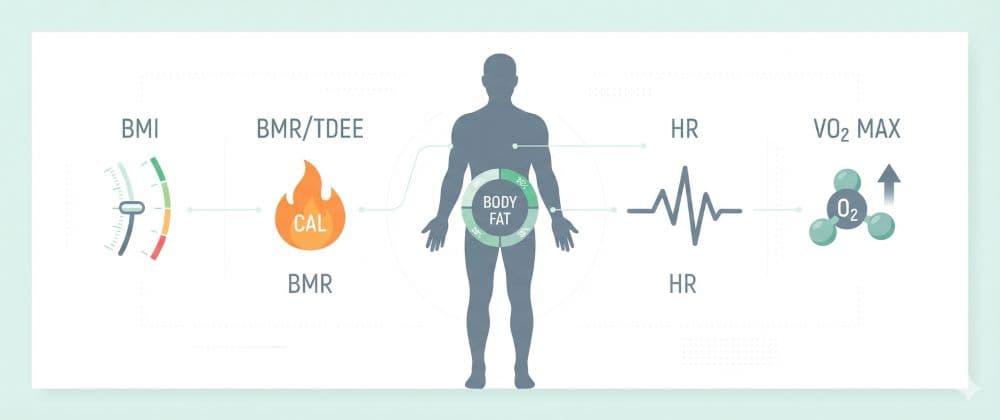
Health & Wellness Metrics Guide: BMI, BMR, TDEE, Body Fat, and More
BMI, BMR, TDEE, and body fat — health metrics translated into numbers you can track, understand, and act on, without misreading what each one actually means.

Heart Rhythm & Electrolytes: The QTc Interval, Corrected Calcium, and Why They Matter
How the corrected QT interval and albumin-corrected calcium fit together in cardiac monitoring, and why electrolytes matter for heart rhythm and arrhythmia.

History of Calculation: From Tally Sticks to Digital Calculators
Calculation is as old as civilization. From tally sticks and abacuses to digital calculators — how counting, arithmetic, and computing shaped human history.

Kidney Function & Drug Dosing: GFR, Creatinine Clearance, and How They Guide Medication
How clinicians measure kidney function with GFR and creatinine clearance, the difference between them, and why the numbers guide drug dosing and CKD staging.
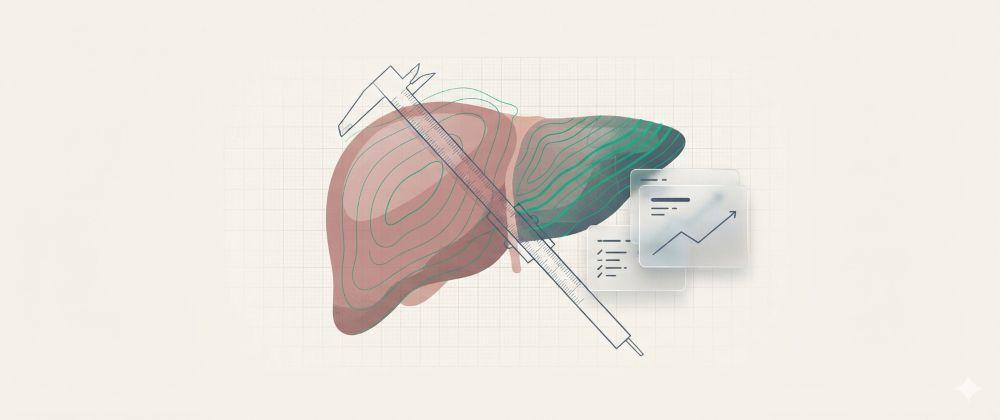
Liver Fibrosis Assessment: FIB-4, Elastography, and Who Actually Needs a Specialist
How liver fibrosis is staged without a biopsy: where FIB-4 fits in the referral pathway, what elastography adds, and how to read an indeterminate score.

Marathon Time Explained: How to Predict Your Finish Time and What Average Times Really Mean
Marathon time explained: how to predict your finish time from pace, what average and record times really mean, and how pacing strategy decides your result.

Medication Dosing & Safety: BSA, Opioid Equivalents, and Renal Adjustments
How clinicians individualize medication dosing using body surface area for chemotherapy, morphine milligram equivalents for opioid safety, and renal clearance.

Pregnancy & Health Guide
Complete pregnancy guide: healthy weight gain by trimester, due date and conception timing, prenatal nutrition and exercise, plus free pregnancy calculators.

Running Pace Explained: The Formula, How to Calculate It, and How to Use It in Training
Running pace explained: the formula behind min/km and min/mile, how to calculate it by hand, and how to use pace zones and race pacing in training runs.
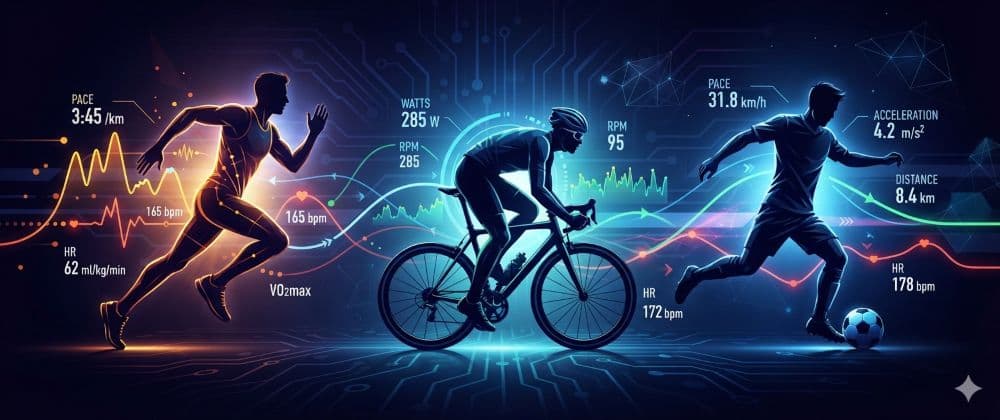
Sports & Fitness Performance: Pace, Power, VO2max & Game Stats Explained
Athletes train like scientists: pace, power, VO2max, and game stats — performance metrics that turn training effort into measurable, trackable progress.

Step Counter and Walking Guide: From Daily Steps to Better Health
A comprehensive guide to step counting and walking for health. Learn how many steps you need, how to measure walking distance and calories, and how to build a
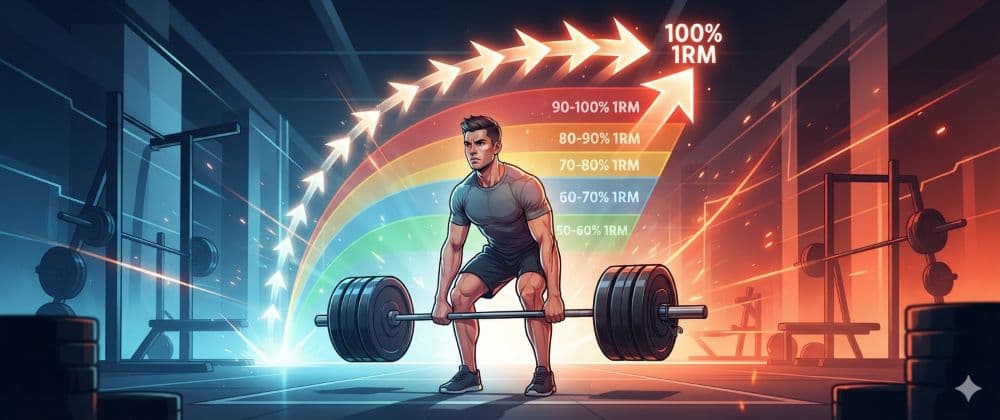
Strength Training Fundamentals: 1RM, Progressive Overload, and Programming That Works
Strength training fundamentals: what 1 rep max means, how progressive overload drives gains, training zones and volume, rest periods, and how to program.

Sugar in Your Diet: Natural vs Added, Health Impacts & How to Reduce
Understand natural versus added sugars, how your body processes them, health impacts of excess consumption, hidden sugar, and strategies to reduce intake.
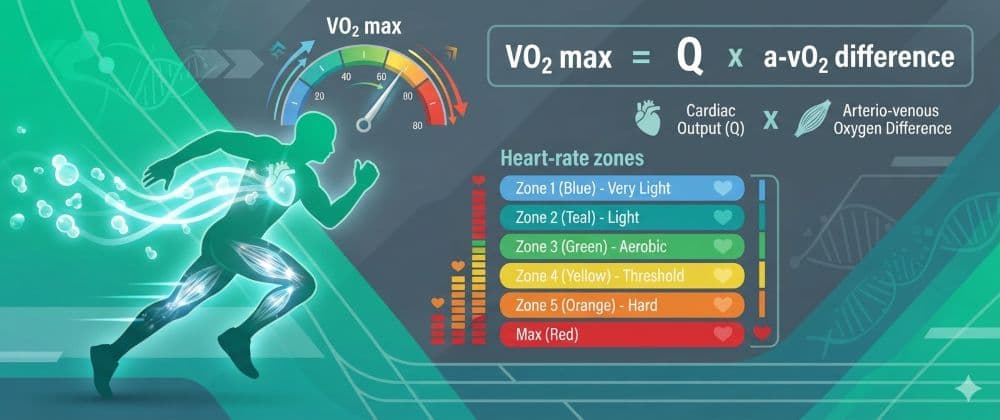
VO2 Max Explained: What It Is, How It's Measured, and How to Improve It
VO2 max explained: what the number measures, how it's tested, what a good VO2 max by age looks like, and how to improve your aerobic capacity with training.
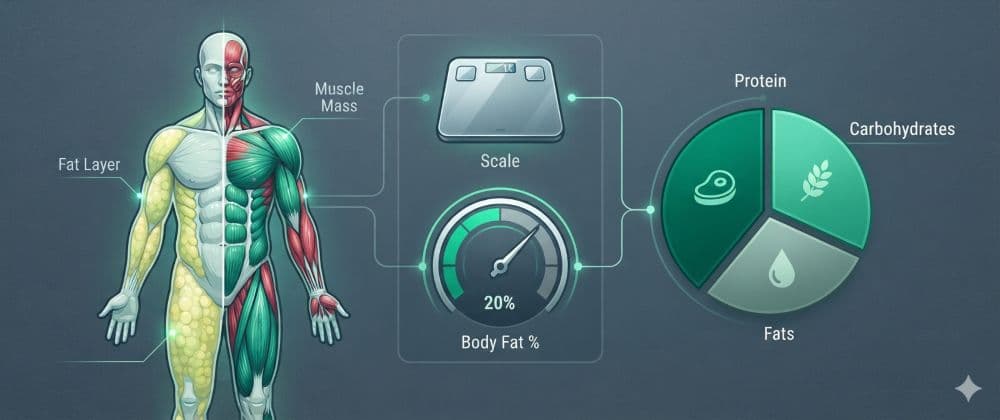
Weight & Body Composition Guide
Weight alone is misleading. Body fat, muscle, bone, and lean mass — understanding body composition is far more informative for your health than a scale reading.
Frequently Asked Questions
- ❓ What is a healthy BMI range?
- ✅ A BMI between 18.5 and 24.9 is considered healthy for most adults. Below 18.5 is underweight, 25-29.9 is overweight, and 30 or above is obese. However, BMI has limitations and should be considered alongside other health metrics.
- ❓ How many calories should I eat per day?
- ✅ Daily calorie needs vary based on age, gender, weight, height, and activity level. Use our calorie calculator to estimate your Total Daily Energy Expenditure (TDEE) and adjust based on your weight goals.
- ❓ What is the difference between BMR and TDEE?
- ✅ BMR (Basal Metabolic Rate) is the calories your body burns at complete rest. TDEE (Total Daily Energy Expenditure) is your BMR plus calories burned through activity and digestion. TDEE is what you should use for weight management planning.